
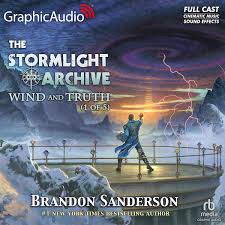
The Stormlight Archive is an epic fantasy series written by Brandon Sanderson, widely regarded as one of the most ambitious and intricately crafted works in modern fantasy literature. First published in 2010 with The Way of Kings, the series is planned as a ten-book saga set in the fictional world of Roshar, a planet battered by massive storms and filled with complex cultures, political intrigue, and mystical magic systems. Known for its expansive world-building, multi-layered characters, and philosophical depth, the series has captivated millions of readers worldwide. Sanderson’s storytelling combines high-stakes adventure, moral dilemmas, and intricate magic systems with rich character development, creating a tapestry that goes far beyond traditional fantasy narratives. This article explores The Stormlight Archive in detail, examining its world-building, magic systems, characters, themes, literary style, and cultural impact, offering a comprehensive guide to one of fantasy literature’s modern classics.
1. Overview of the Series and Its Structure
The Stormlight Archive is structured as a series of ten planned novels, divided into two five-book arcs. The first book, The Way of Kings, introduces readers to Roshar, its history, and its people, setting the stage for an epic narrative spanning decades. Each novel focuses on different central characters while weaving a larger overarching storyline that connects political conflicts, magical discoveries, and the looming threat of the Voidbringers. The series is notable for its length, with individual books often exceeding 1,000 pages, reflecting Sanderson’s commitment to depth and complexity. Its structure allows for gradual character development, elaborate plotting, and the exploration of philosophical and moral questions, distinguishing it from more straightforward fantasy series.
2. The World of Roshar
Roshar is a unique and richly imagined world, dominated by frequent, massive storms called highstorms, which shape the environment, culture, and survival strategies of its inhabitants. The planet features diverse regions, from the militaristic and rigid Alethi society to the mysterious and isolated Shin culture. Geography, climate, and natural resources all play crucial roles in the story, influencing politics, economics, and warfare. The flora and fauna are intricately designed, with plants and animals adapted to extreme weather, such as spren-influenced creatures and massive chasmfiends. Roshar’s world-building is not just cosmetic; it deeply affects the plot, character motivations, and the dynamics of power, making the setting a living, breathing entity that interacts with every element of the story.
3. Magic Systems: Surgebinding and Beyond
One of the hallmarks of The Stormlight Archive is its sophisticated magic system, particularly Surgebinding, which allows characters to manipulate fundamental forces such as gravity, friction, and cohesion. Surgebinders gain powers by forming bonds with spren—mystical, sentient manifestations of ideas and natural phenomena. In addition to Surgebinding, the series features Soulcasting, fabrials, and other magical practices, each with detailed rules and limitations. Sanderson’s “hard magic” approach ensures consistency and logic, providing both characters and readers with clear stakes and limitations. The magic systems are deeply tied to the story’s themes, such as responsibility, honor, and personal growth, and they often serve as a metaphor for ethical and philosophical challenges faced by the characters.
4. Main Characters and Their Arcs
The series features an ensemble cast, each with complex motivations and evolving arcs. Key characters include:
-
Kaladin Stormblessed: A former soldier turned slave who discovers his Surgebinding abilities, struggling with depression, leadership, and the moral dilemmas of war.
-
Shallan Davar: A young noblewoman and scholar who grapples with trauma, identity, and her growing magical powers.
-
Dalinar Kholin: A war-weary general and noble who seeks redemption and unity in a fractured kingdom while confronting his past and visions of the future.
-
Szeth-son-son-Vallano: Known as the Assassin in White, whose story explores morality, duty, and the consequences of blind obedience.
Each character’s journey intersects with broader political and magical conflicts, creating a narrative that balances personal growth with epic-scale events. Sanderson’s attention to psychological depth, flaws, and moral ambiguity ensures that characters resonate with readers and evolve in believable, impactful ways.
5. Themes and Philosophical Depth
The Stormlight Archive delves into themes far beyond typical fantasy tropes. Central themes include:
-
Leadership and Responsibility: Characters grapple with power, ethical decision-making, and the burden of leadership.
-
Honor and Morality: The series frequently explores the tension between personal desires and moral imperatives.
-
Mental Health and Trauma: Characters like Kaladin and Shallan provide nuanced portrayals of depression, PTSD, and coping mechanisms.
-
The Nature of Truth and Memory: Memory, perception, and the unreliability of historical narratives play key roles in plot development.
These themes, intertwined with Sanderson’s world-building and magic systems, elevate the series into a thought-provoking exploration of human nature, ethics, and resilience, making it appealing to both fantasy enthusiasts and readers interested in deeper philosophical storytelling.
6. Political Intrigue and Cultural Complexity
The political landscape of Roshar is intricate, with kingdoms, alliances, and power struggles shaping the narrative. Alethi highprinces vie for influence, while factions within and outside the military maneuver for advantage. Sanderson also explores cultural practices, traditions, and belief systems in depth, showing how societal norms and historical conflicts influence behavior, law, and diplomacy. This level of political complexity provides a grounded, realistic layer to an otherwise fantastical setting, making the stakes feel real and the characters’ choices weighty and consequential.
7. Narrative Style and Storytelling Techniques
Sanderson employs a multi-perspective narrative, alternating chapters between different characters to provide varied viewpoints on events. Interludes offer glimpses into secondary characters, cultures, and regions, enriching the world and building anticipation. This narrative structure allows for suspense, intricate plotting, and thematic layering, while maintaining clarity in a story of epic proportions. Sanderson’s writing blends vivid description, emotional resonance, and precise world-building, keeping readers immersed in the story despite its length and complexity.
8. Reception and Critical Acclaim
Since its debut, The Stormlight Archive has received critical acclaim for its imaginative world-building, character depth, and innovative magic systems. Readers and critics alike praise Sanderson for balancing epic fantasy scope with intimate character exploration. The series has earned a devoted global fanbase, with conventions, online communities, and discussion forums dedicated to analyzing and celebrating its details. Its influence is evident in modern fantasy literature, inspiring both readers and aspiring authors to explore expansive, character-driven storytelling.
9. Adaptations and Media Expansion
As of recent years, discussions around potential adaptations—including television and audio formats—have generated excitement among fans. The richness of the setting, complex characters, and cinematic scope make the series highly adaptable for visual media. Sanderson’s meticulous attention to continuity and lore also lends itself well to multi-season adaptations, though challenges include condensing vast content while maintaining narrative depth. Regardless of adaptation status, the series continues to thrive in print, e-books, and audiobooks, reaching a diverse and growing audience worldwide.
10. Cultural Impact and Legacy
The Stormlight Archive has become a landmark in modern fantasy, demonstrating that long-form storytelling with deep themes, expansive world-building, and morally complex characters can resonate globally. The series has influenced other authors, inspired fan fiction, and fostered educational discussions on literary structure, ethics, and narrative technique. Its legacy lies not only in sales and popularity but in its ability to merge traditional epic fantasy with contemporary literary sensibilities, bridging entertainment with intellectual engagement.
Frequently Asked Questions (FAQ) About The Stormlight Archive
1. What is The Stormlight Archive?
It is an epic fantasy book series by Brandon Sanderson, set in the world of Roshar and featuring complex characters, magic systems, and political intrigue.
2. How many books are planned in the series?
The series is planned as a ten-book saga, divided into two five-book arcs.
3. Who are the main characters?
Key characters include Kaladin Stormblessed, Shallan Davar, Dalinar Kholin, and Szeth-son-son-Vallano.
4. What is Surgebinding?
Surgebinding is a magical system in which characters form bonds with spren to manipulate fundamental forces like gravity and friction.
5. Do the books explore deeper themes?
Yes, they explore themes such as leadership, honor, mental health, trauma, and morality.
6. Are there adaptations?
While no TV or film adaptation has been fully released, discussions and planning for adaptations have occurred, and audiobooks are available.
7. Why is the series so popular?
Its combination of epic world-building, complex characters, innovative magic systems, and thought-provoking themes has captured the imagination of readers worldwide.
Conclusion: The Enduring Appeal of The Stormlight Archive
The Stormlight Archive represents the pinnacle of contemporary epic fantasy, blending intricate world-building, morally complex characters, and innovative magic systems into a compelling narrative. Brandon Sanderson’s dedication to detail, storytelling craft, and thematic depth has created a series that resonates with readers across generations and cultures. Its influence extends beyond entertainment, inspiring critical thought about morality, leadership, and resilience. As the series continues to unfold, it promises to remain a landmark achievement in fantasy literature, cementing its place as one of the genre’s most ambitious and beloved sagas.
