
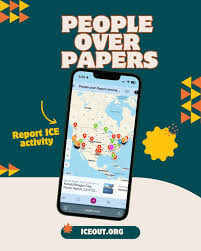
In a modern world dominated by transactions, bureaucracy, and digital data, the philosophy of “People Over Papers” reminds us to prioritize human connection, empathy, and ethical decision-making over rigid processes or monetary gain. Whether in business, education, healthcare, or social activism, the approach emphasizes valuing individuals and relationships above paperwork, profits, or formalities.
This philosophy resonates across multiple domains. In workplaces, it challenges corporate culture to value employee well-being over strict performance metrics. In social activism, it emphasizes addressing real human needs over maintaining administrative or bureaucratic efficiency. By focusing on people first, “People Over Papers” promotes a more compassionate, ethical, and sustainable approach to decision-making. This article explores the origins, principles, real-world applications, challenges, and cultural significance of this philosophy, offering insights into how putting people before paperwork can transform communities and institutions.
1. The Origins and Philosophy of People Over Papers
The idea of putting people over paperwork is rooted in humanistic ethics, social activism, and organizational behavior. Historically, movements that emphasized individual rights, social justice, and community welfare laid the groundwork for this philosophy.
At its core, the philosophy asserts that systems, policies, and formal processes should serve people, not the other way around. While rules and documentation are necessary for governance, excessive reliance on bureaucracy can obscure human needs, create inefficiencies, and reduce empathy. People Over Papers calls for a balance where processes facilitate rather than hinder the well-being and dignity of individuals.
2. Application in the Workplace
In professional settings, People Over Papers encourages organizations to prioritize employee satisfaction, mental health, and growth over strict adherence to protocols or productivity quotas. Companies adopting this philosophy often implement flexible work arrangements, employee wellness programs, and participatory management practices.
Such organizations recognize that when employees feel valued and supported, their productivity, creativity, and loyalty increase naturally. People Over Papers challenges traditional corporate metrics, suggesting that genuine investment in human capital yields sustainable long-term success rather than short-term compliance or paperwork-based efficiency.
3. Impact in Education
Education systems are often criticized for prioritizing test scores, bureaucratic compliance, and standardized procedures over student learning and personal development. People Over Papers in education emphasizes holistic learning, teacher-student relationships, and individual growth.
Teachers and administrators are encouraged to consider students’ mental health, personal challenges, and unique learning styles rather than focusing solely on grades or paperwork. By adopting this approach, schools can create nurturing environments where students feel supported, motivated, and empowered to reach their potential.
4. Relevance in Healthcare
Healthcare is another critical field where People Over Papers can make a transformative difference. Hospitals and clinics often face bureaucratic challenges, insurance paperwork, and procedural constraints that can detract from patient care.
Placing patients at the center of decisions, streamlining administrative processes, and prioritizing empathy and responsiveness over rigid protocols improve healthcare outcomes and patient satisfaction. For medical professionals, adopting this philosophy fosters ethical practices, better communication, and trust between patients and providers.
5. Social Activism and Community Engagement
People Over Papers is central to social activism and community-driven initiatives. Activists often confront systems where excessive documentation, regulations, or formal approvals can delay aid or support for marginalized communities.
By prioritizing human needs over administrative hurdles, community organizers can provide timely assistance, amplify voices that might otherwise be ignored, and address inequalities more effectively. This approach highlights the importance of compassion, adaptability, and practical solutions in social impact efforts.
6. Ethical Implications and Leadership
Ethical leadership is intrinsically linked to the People Over Papers philosophy. Leaders who embrace this approach make decisions based on fairness, empathy, and the well-being of stakeholders rather than rigid adherence to policy or profit maximization.
This involves challenging outdated systems, advocating for human-centered policies, and fostering organizational cultures that value ethical responsibility over bureaucratic compliance. Ethical leadership informed by People Over Papers encourages trust, accountability, and sustainable decision-making.
7. Challenges and Criticisms
While People Over Papers offers numerous benefits, it is not without challenges. Overemphasis on flexibility or personal judgment can sometimes lead to inconsistencies, inefficiency, or conflict with established rules. Organizations must balance human-centered practices with necessary structures to maintain accountability, legality, and fairness.
Moreover, shifting cultural and institutional mindsets from paper-driven to people-centered approaches often requires training, advocacy, and sustained commitment. Despite these challenges, the philosophy provides a compelling framework for improving human outcomes in multiple sectors.
8. Cultural and Global Significance
People Over Papers resonates globally, particularly in contexts where bureaucracy, corruption, or rigid systems impede progress. In developing nations, disaster relief operations, humanitarian aid, and grassroots activism benefit significantly from prioritizing people over administrative requirements.
Incorporating this philosophy into governance, business practices, and social initiatives can foster trust, equity, and resilience. The global appeal of People Over Papers underscores its relevance across cultural, institutional, and social boundaries.
Frequently Asked Questions (FAQ)
1. What does “People Over Papers” mean?
It is a philosophy that prioritizes human needs, relationships, and well-being over bureaucratic processes, paperwork, or monetary gain.
2. Where can this philosophy be applied?
It can be applied in workplaces, education, healthcare, social activism, government policies, and community engagement initiatives.
3. How does it benefit organizations?
Prioritizing people increases loyalty, productivity, innovation, and long-term sustainability, as opposed to merely enforcing compliance with rules or paperwork.
4. Are there risks associated with this approach?
Yes, overemphasis on flexibility can sometimes cause inconsistencies, inefficiencies, or conflict with regulations. A balanced approach is necessary.
5. How can leaders adopt People Over Papers?
By emphasizing empathy, ethical decision-making, stakeholder well-being, and human-centered policies while maintaining necessary structural accountability.
6. Is this philosophy globally relevant?
Yes, it resonates across cultures, particularly in settings where bureaucracy or rigid systems hinder social, professional, or humanitarian outcomes.
Conclusion
People Over Papers is more than a slogan; it is a transformative philosophy that challenges systems to serve humanity rather than constrain it. By prioritizing individuals, empathy, and ethical decision-making, institutions can achieve more meaningful, sustainable, and impactful outcomes.
Whether in professional environments, educational systems, healthcare, or social activism, emphasizing human needs over paperwork fosters trust, innovation, and societal progress. As modern societies navigate complex bureaucracies and digital structures, the People Over Papers philosophy serves as a reminder that systems should exist to enhance human well-being—not limit it.
