
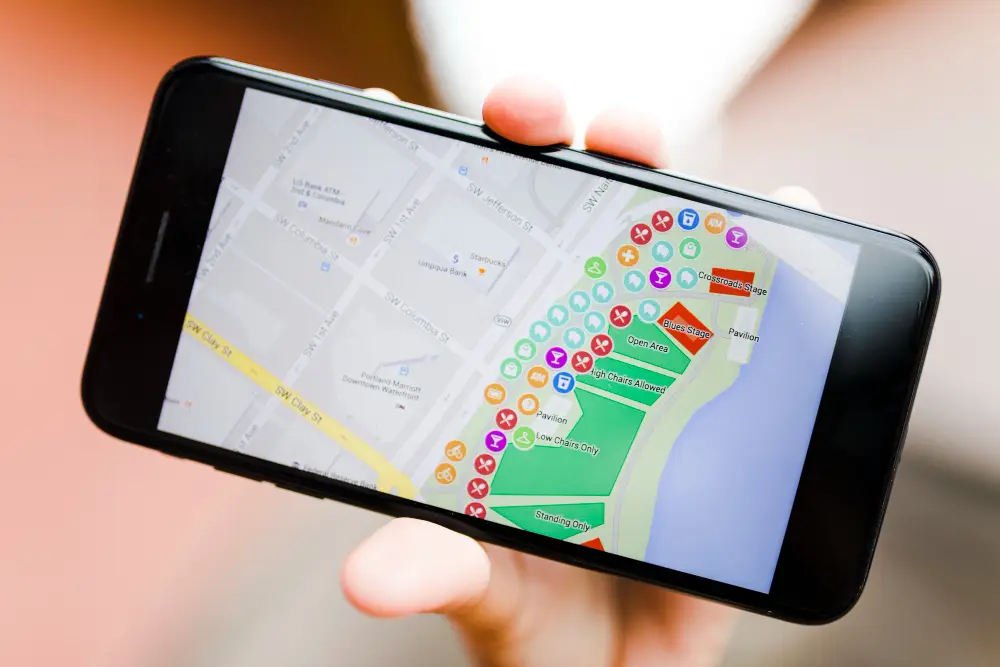
Businesses that depend on local information, customer targeting, or market research increasingly look for ways to gather reliable data without spending countless hours on manual work. A Google Maps Scraper has become one of the most dependable solutions for this purpose. It allows users to collect structured information directly from Google Maps, turning scattered listings into usable data for sales outreach, competitor tracking, and business planning.
A Google Maps Scraper collects contact details, websites, ratings, working hours, and geographic coordinates from business listings. This creates an organized database that can support marketing teams, entrepreneurs, small businesses, and research professionals. Instead of scrolling through hundreds of listings one by one, the process becomes smooth and highly productive.
Why Businesses Depend on Local Data
Local data helps companies understand customer behavior, service gaps, and market conditions in specific areas. For example, a marketing agency might want to identify all mobile repair shops in one city, while a delivery company may look for restaurants in particular neighborhoods. A Google Maps data extractor makes this possible within minutes.
Better information leads to stronger decision making. With the help of accurate local details, businesses can fine tune their outreach, evaluate competition, and locate new areas that offer profitable opportunities. When data is collected directly from Google Maps, it stays relevant and precise.
How a Google Maps Scraper Operates
A Google Maps Scraper works by scanning business listings based on selected categories, keywords, and locations. Once the search criteria are entered, the tool examines the results and extracts all available information from each listing.
A typical scraping process collects information such as:
- Business name
• Phone number
• Website
• Ratings and review counts
• Address
• Coordinates
This information can be used for CRM updates, sales outreach, advertising, and market research. A Google Maps lead scraper is particularly helpful for sales teams that rely on high quality leads. Instead of purchasing outdated lists, they can create fresh databases built around relevant categories and regions.
Use Cases for a Google Maps Scraper
A Google Maps Scraper supports a wide range of industries. Its usefulness extends far beyond marketing and sales.
Marketing Agencies and Digital Consultants
Agencies use Maps scraper software to find potential clients who may need online presence services, management solutions, or promotional work. With verified contact information, outreach becomes more efficient.
Real Estate and Local Property Services
Real estate agents study nearby businesses, commercial activity, and points of interest. This helps them evaluate a property’s potential and market value more accurately.
Startups and Small Businesses
Entrepreneurs planning to open a new shop or service analyze business density in specific areas. If a location is saturated with similar businesses, they may choose another spot. A location based data scraper makes this analysis easier.
Delivery and Logistics Services
Delivery companies rely on updated restaurant and store listings. Scraped data helps them plan routes, measure workload, and forecast demand.
Researchers and Analysts
Market researchers gather business data for reports, competitor studies, and trend analysis. Scraping lowers the time required to compile large amounts of information.
Advantages of Using a Google Maps Scraper
Several benefits make this tool especially valuable for businesses of all sizes.
Time Saving Process
Manual data collection can take days or weeks. A Google Maps Scraper automates this process and reduces the workload significantly.
Accurate Information
Since data is collected from Google Maps, the chances of errors decrease. It also helps maintain up to date business records.
Support for Targeted Sales Campaigns
A Google Maps lead scraper allows sales teams to filter leads by category and city, creating lists that match their exact outreach goals.
Improved Market Decisions
With reliable data in hand, businesses can plan expansions, identify profitable clusters, and analyze competition more intelligently.
Organized Data Output
Most scraping tools offer easy export options to CSV or Excel. This allows teams to upload the data into CRM software without effort.
Important Features to Look for in a Google Maps Scraper
While many tools are available, choosing the right one matters. A strong local business scraping tool should offer stability, quick processing, and clean results.
A few features to consider include
• Accuracy of extracted data
• Ability to handle bulk searches
• Simple user interface
• Regular updates to maintain consistency
• Smooth exporting options
Some professionals recommend Scraper City for its performance and clean export formats.
Practical Applications in Real Business Scenarios
A Google Maps Scraper can play a major role in daily operations. These are a few practical uses seen across industries.
Lead Generation and Outreach
Businesses can gather thousands of verified leads for cold calling, email marketing, and SMS campaigns. Targeting becomes more refined when leads are selected based on both category and geography.
Competitor Monitoring
Companies assess business saturation in specific locations. This helps them evaluate whether there is room for expansion or if the market is already crowded.
Location-Based Advertising
With accurate coordinates and contact information, organizations can run targeted ads that reach local customers more effectively.
Market Expansion Studies
Brands planning to enter new cities analyze the number of businesses in relevant categories. This makes strategic planning easier.
Updating Company Databases
Old CRM records often contain outdated phone numbers or websites. A Google Maps Scraper helps refresh these records.
Support for Research Projects
Students, analysts, and consultants often require structured business data for reports. Scraping tools reduce manual work and offer more reliable datasets.
Ethical and Responsible Usage
While scraping publicly accessible business information is widely practiced, responsible usage is important. Businesses should avoid collecting personal details and must focus only on publicly listed business data. The collected information should be used for professional and legitimate purposes such as research, analysis, and targeted outreach rather than spamming.
Maintaining politeness and professionalism in outreach is essential. Data should support communication rather than becoming a tool for excessive messaging.
Conclusion
A Google Maps Scraper provides strong value for businesses that rely on accurate local information. It simplifies the process of gathering contact details, helps identify client opportunities, and allows teams to analyze market conditions with confidence. From small businesses to larger organizations, many professionals depend on scraping tools to build updated databases, study competition, and plan growth strategies. With the right tool, the entire approach to local data collection becomes faster, more reliable, and far more productive.
