
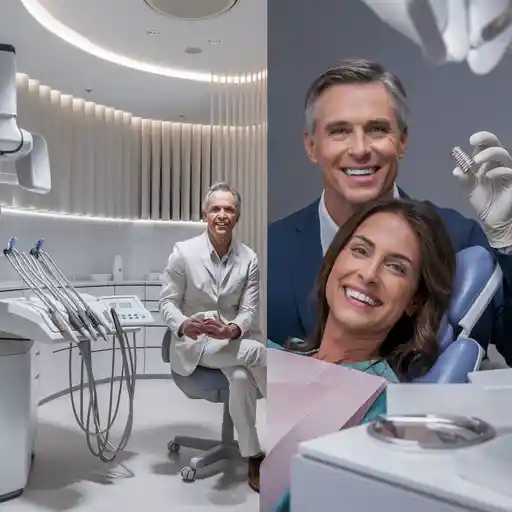
Maintaining excellent oral health is a lifelong journey, and as we age, our needs can change significantly. Tooth loss, gum disease, and general wear can become more common, impacting everything from nutrition to self-confidence. Fortunately, modern dentistry offers a variety of effective solutions to restore function and aesthetics to your smile. Understanding these options is the first step toward making an informed decision that suits your health, lifestyle, and budget.
This guide will explore some of the most common and effective tooth replacement solutions available for seniors, including dentures and dental implants, helping you navigate your path to a healthier smile.
Understanding Traditional Dentures
For decades, dentures have been a reliable solution for replacing missing teeth. They are removable appliances that can replace a full arch of teeth (complete dentures) or just a few missing ones (partial dentures).
Complete Dentures
Complete dentures are designed for individuals who have lost all of their teeth in either the upper or lower jaw, or both. They consist of a flesh-colored acrylic base that fits over the gums, with prosthetic teeth attached. The upper denture covers the roof of the mouth, while the lower one is shaped like a horseshoe to accommodate the tongue. They are held in place by suction and sometimes with the help of a dental adhesive.
Partial Dentures
Partial dentures are an option when one or more natural teeth remain in the upper or lower jaw. These appliances consist of replacement teeth attached to a gum-colored plastic base, which is often connected by a metal framework that holds the denture in place in the mouth. Partials not only fill the spaces created by missing teeth but also prevent other teeth from changing position.
The Rise of Dental Implants
Dental implants represent a significant advancement in restorative dentistry. Unlike dentures, implants are a permanent solution that mimics the structure of a natural tooth. An implant consists of a small titanium post that is surgically placed into the jawbone, where it fuses with the bone over time. This post acts as a sturdy anchor for a replacement tooth, or crown.
Advantages of Dental Implants
Implants offer several benefits that make them an increasingly popular choice. Because they integrate with your jawbone, they provide exceptional stability and prevent the bone loss that often follows tooth loss. This helps maintain your facial structure. With implants, you can eat, speak, and smile with confidence, as they look and feel like your own teeth. There’s no need for adhesives, and daily care is as simple as brushing and flossing.
For those considering this advanced treatment, finding a qualified provider is key. A consultation can help determine if you are a candidate for the best dental implants in Las Vegas or your local area.
Implant-Supported Dentures
For those seeking more stability than traditional dentures can offer, implant-supported dentures provide an excellent middle ground. In this approach, a few dental implants are placed in the jawbone to serve as anchors for a full or partial denture. The denture can then be securely snapped onto the implants, eliminating slipping and improving chewing ability. This option provides the security of implants with the broader coverage of a denture.
Choosing the Right Path for You
Selecting the appropriate oral health solution is a personal decision that depends on several factors.
- Oral Health: The condition of your gums and jawbone is a primary consideration. Dental implants require sufficient bone density for successful integration.
- Lifestyle: Consider your daily activities. Do you prefer a removable option or a permanent fix? Your comfort with maintenance routines will also play a role.
- Budget: Costs can vary widely between different treatments. It’s important to discuss finances and potential insurance coverage with your dental provider.
Taking the Next Step
Your journey toward a restored smile begins with a professional consultation. A dentist can perform a thorough examination, including X-rays, to assess your oral health and discuss your goals. They will explain the pros and cons of each option as they relate to your specific situation, empowering you to make a choice that will support your health and quality of life for years to come.
