
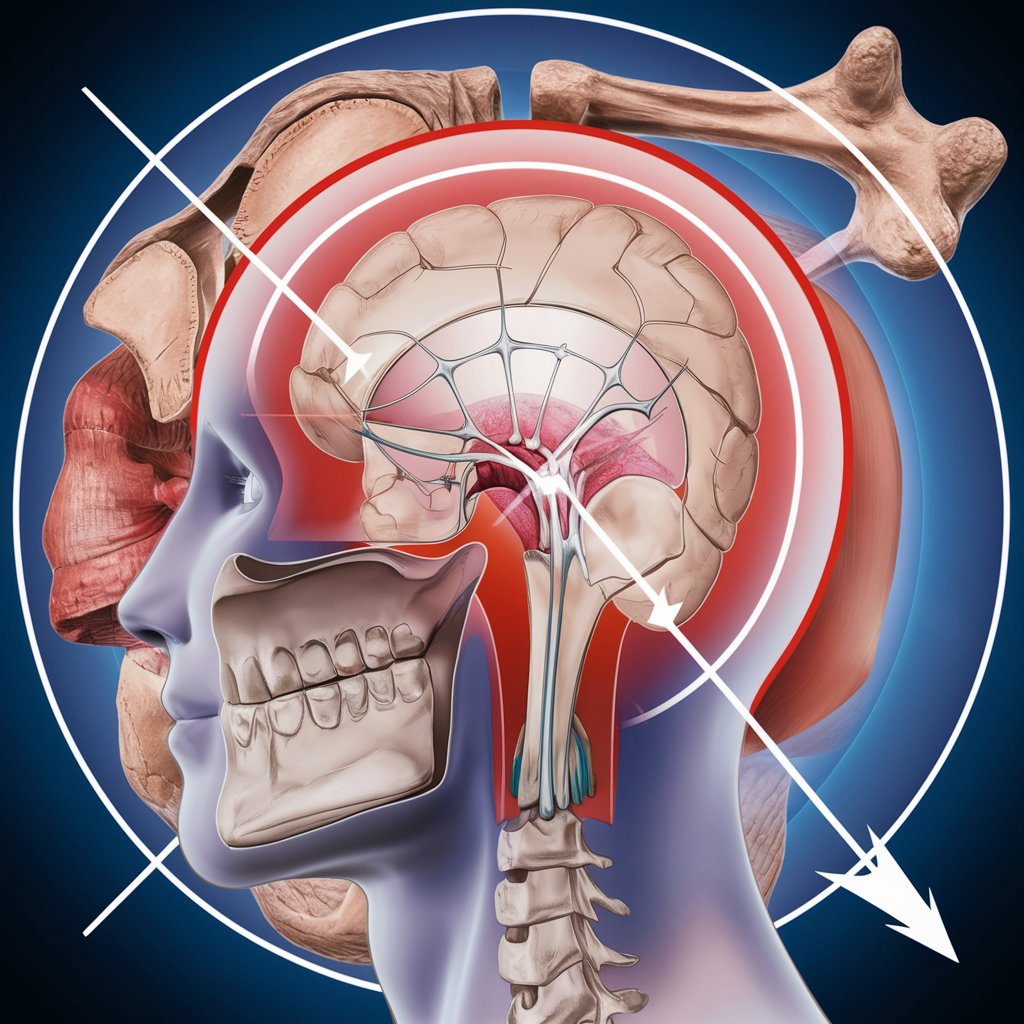
Jaw pain can be more than just a minor annoyance; it can disrupt your daily life, making it difficult to eat, speak, or even concentrate. Whether it’s a dull, persistent ache or a sharp, sudden pain, this discomfort often signals an underlying issue that needs attention. Fortunately, you don’t have to simply endure it. There are numerous fast and safe solutions available to help you find relief. This guide explores some of the most effective strategies, from simple home remedies to professional dental treatments, so you can manage your jaw pain and get back to feeling your best.
1. Apply Hot and Cold Compresses
One of the simplest yet most effective ways to manage jaw pain is through temperature therapy. Alternating between hot and cold compresses can provide significant relief by targeting both pain and inflammation.
A cold compress, such as an ice pack wrapped in a thin towel, helps to numb the area and constrict blood vessels, which can reduce swelling and dull the sharp sensations of pain. It’s particularly useful for acute pain or following a minor injury. Apply the cold pack for about 15 minutes at a time, several times a day. Conversely, a warm compress, like a moist heating pad or a warm, damp cloth, helps to relax tense jaw muscles and increase blood flow to the area. This can soothe muscle soreness and stiffness. For best results, use heat for 15-20 minutes. Many people find that alternating between cold and heat offers the most comprehensive relief, combining the benefits of reduced swelling and muscle relaxation.
2. Perform Gentle Jaw Exercises
When your jaw is hurting, the last thing you might want to do is move it. However, gentle stretching and strengthening exercises can be incredibly beneficial. These movements can help increase jaw mobility, relax tense muscles, and alleviate the discomfort associated with conditions like temporomandibular joint (TMJ) disorder.
Start with simple relaxation exercises. Place your tongue on the roof of your mouth just behind your front teeth and allow your jaw to relax, letting your teeth come apart slightly. Hold this position for a few moments, focusing on releasing any tension. You can also try gentle stretching by slowly opening your mouth as wide as you comfortably can without pain, holding for a few seconds, and then slowly closing it. Another helpful exercise is to place your thumb under your chin and apply gentle upward pressure while you slowly open your mouth, resisting the motion. These exercises should be performed without causing pain. Consistency is key, so aim to do them a few times throughout the day.
3. Modify Your Diet and Eating Habits
What you eat and how you eat can have a significant impact on jaw pain. Hard, chewy, or crunchy foods require a lot of force from your jaw muscles, which can aggravate existing pain and inflammation. Think of foods like hard candies, tough cuts of meat, crusty bread, and raw carrots. Giving your jaw a rest from these can make a big difference.
Instead, opt for a diet of soft foods. Soups, smoothies, yogurt, mashed potatoes, scrambled eggs, and well-cooked pasta are all excellent choices. When you do eat firmer foods, cut them into small, bite-sized pieces to minimize the amount of work your jaw has to do. It’s also wise to avoid chewing gum and biting your nails, as these habits can put unnecessary strain on your jaw joints. Additionally, try to avoid opening your mouth excessively wide, such as when yawning or taking a large bite of a sandwich. These simple modifications can provide your jaw muscles and joints with a much-needed break, allowing them to heal.
4. Manage Stress and Teeth Grinding
Stress is a major contributor to jaw pain for many people. When you’re stressed, you’re more likely to clench your jaw or grind your teeth (a condition known as bruxism), often without even realizing it. This constant pressure can lead to muscle fatigue, headaches, and significant jaw discomfort. Many people grind their teeth at night, waking up with a sore jaw and a headache.
Finding effective ways to manage stress can provide profound relief. Techniques like meditation, deep breathing exercises, yoga, and regular physical activity can help lower your overall stress levels. It’s also important to become more aware of jaw clenching during the day. If you notice you’re doing it, consciously relax your jaw. For nighttime grinding, a dentist can provide a custom-fitted nightguard. This oral appliance fits over your teeth and prevents them from grinding against each other, protecting your teeth from damage and reducing strain on your jaw. Sometimes, persistent jaw pain is a sign of an underlying issue, such as an impacted tooth. In these cases, a procedure like wisdom teeth removal in Hutto, TX might be necessary to resolve the root cause of the pain.
