
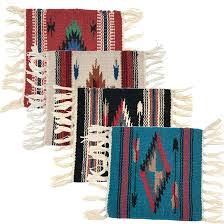
Wollmatten, or wool mats, are versatile and eco-friendly products made from natural wool fibers. Known for their durability, softness, and insulating properties, wool mats have been used for centuries in various applications ranging from home decor and furniture protection to industrial and agricultural purposes. Unlike synthetic alternatives, wool mats provide natural temperature regulation, moisture absorption, and aesthetic appeal, making them a preferred choice for environmentally conscious consumers.
The use of wool in mats is not only practical but also sustainable. Wool is a renewable and biodegradable material, and its unique fiber structure provides resilience, comfort, and longevity. Today, wollmatten are widely used in interior design, wellness spaces, yoga and meditation, animal bedding, and even as protective padding in industrial contexts. Understanding the properties, benefits, and applications of wool mats allows consumers and businesses to make informed choices, ensuring both functional and aesthetic value.
This article explores wollmatten in detail, covering their history, material properties, types, benefits, care instructions, applications, and future trends. It also provides FAQs and a conclusion to give readers a thorough understanding of wool mats.
1. What Are Wollmatten? Definition and Composition
Wollmatten are mats made primarily from wool fibers, which are spun, felted, or woven to create dense, durable surfaces. The natural crimp and elasticity of wool fibers provide cushioning, insulation, and resilience, making these mats suitable for a wide range of environments. Wool’s natural lanolin content adds water-repellent and antimicrobial properties, further enhancing the functionality of wollmatten.
The composition of a typical wool mat can vary depending on its intended use. Some mats are 100% pure wool, while others may incorporate blends with cotton, silk, or synthetic fibers for additional texture, durability, or cost efficiency. The density, thickness, and finishing techniques also affect the mat’s insulating, cushioning, and aesthetic properties, allowing for customization based on specific needs.
2. Historical Background of Wool Mats
The use of wool in mats and floor coverings dates back thousands of years, with evidence from ancient civilizations such as Mesopotamia, Egypt, and Central Asia. Historically, wool mats served multiple purposes:
-
Insulation and Comfort: Providing warmth on cold floors and surfaces.
-
Cultural Significance: Wool mats were often used in rituals, ceremonies, and as symbols of wealth and status.
-
Practical Utility: Protecting homes and furniture while adding aesthetic appeal.
In Europe, wool mats became particularly popular during the Middle Ages, where they were handwoven or felted for both domestic and religious spaces. Over time, the techniques for producing wool mats evolved, incorporating modern machinery and industrial processes while maintaining the natural benefits of wool.
3. Types of Wollmatten
Wollmatten come in various forms depending on design, production method, and intended use:
3.1 Felted Wool Mats
Felted wool mats are created by compressing wool fibers under heat and moisture, producing a dense, non-woven surface. They are durable, moisture-resistant, and ideal for industrial, agricultural, or protective applications.
3.2 Woven Wool Mats
Woven wool mats are made by interlacing wool threads to form a textured, decorative surface. They are commonly used in interior design for area rugs, floor coverings, or wall hangings.
3.3 Rolled or Layered Wool Mats
These mats consist of multiple layers of wool, often used for insulation, yoga mats, or padding for delicate surfaces. Layering increases thickness, durability, and comfort.
3.4 Specialty Mats
Specialized wool mats may be treated or blended with other fibers for anti-slip properties, enhanced durability, or decorative appeal. These mats are often used in commercial spaces, wellness centers, or custom-designed homes.
4. Benefits of Wollmatten
Wool mats provide a range of functional, environmental, and aesthetic benefits:
4.1 Natural Insulation
Wool’s natural crimp traps air, creating an insulating barrier that regulates temperature. Wool mats keep spaces warmer in winter and cooler in summer, reducing energy costs and increasing comfort.
4.2 Moisture Absorption
Wool fibers can absorb up to 30% of their weight in moisture without feeling damp, making wool mats ideal for high-humidity areas or spaces prone to spills.
4.3 Durability
The resilience and elasticity of wool fibers allow wollmatten to withstand heavy foot traffic and repeated use without flattening or wearing out quickly.
4.4 Hypoallergenic and Antimicrobial Properties
Natural lanolin in wool provides resistance to dust mites, mold, and bacteria, creating a healthier environment, particularly for homes with children, pets, or allergy-sensitive individuals.
4.5 Environmental Sustainability
Wool mats are renewable, biodegradable, and produced from ethically sourced materials, making them an eco-friendly alternative to synthetic mats.
4.6 Aesthetic and Comfort
Wool mats add a soft, luxurious feel underfoot and enhance the visual appeal of spaces with their natural textures and color variations.
5. Applications of Wollmatten
The versatility of wool mats allows for diverse applications across residential, commercial, wellness, and industrial settings:
5.1 Home and Interior Design
Wollmatten are used as area rugs, carpet padding, and decorative mats to enhance the aesthetic appeal of living rooms, bedrooms, and hallways. Their insulating properties also improve comfort and energy efficiency.
5.2 Wellness and Yoga
Wool mats are increasingly used in yoga studios, meditation spaces, and wellness centers for cushioning, warmth, and eco-friendly practice surfaces.
5.3 Animal Bedding
Wool mats provide comfortable, hygienic bedding for pets, livestock, and horses, absorbing moisture and reducing odors while offering insulation.
5.4 Industrial and Agricultural Use
In industrial settings, wool mats serve as protective padding, anti-fatigue surfaces, or insulation layers. Agricultural applications include floor mats for barns, greenhouses, or animal transport, where durability and moisture management are essential.
5.5 Acoustic and Thermal Insulation
Wool mats are excellent for reducing noise and improving thermal insulation in homes, offices, and studios due to their dense fiber structure and natural sound absorption properties.
6. Caring for Wollmatten
Proper care ensures that wool mats retain their durability, appearance, and functional properties:
-
Regular Cleaning: Vacuuming prevents dirt and dust from embedding in the fibers.
-
Spot Cleaning: Use mild detergents and cold water for spills to avoid shrinking or damage.
-
Professional Cleaning: Periodic professional washing or dry cleaning helps maintain texture and longevity.
-
Avoid Moisture Accumulation: While wool absorbs moisture, prolonged wetness can damage mats; ensure proper drying and ventilation.
-
Rotation: Rotating mats periodically ensures even wear, particularly in high-traffic areas.
7. Potential Challenges of Wollmatten
Despite their benefits, wool mats have some limitations:
-
Cost: Wool mats are often more expensive than synthetic alternatives due to the natural material and processing involved.
-
Weight: Heavier than synthetic mats, wool mats may require effort to move or clean.
-
Susceptibility to Moths: Without proper care, wool mats can attract insects like moths, though preventive measures such as cedar chips or natural repellents are effective.
-
Moisture Sensitivity: While absorbent, wool mats require drying after exposure to excessive moisture to prevent mildew
8. Choosing the Right Wollmatte
When selecting a wool mat, consider:
-
Purpose: Choose based on whether the mat is for decorative, wellness, industrial, or animal use.
-
Thickness and Density: Heavier, denser mats provide more insulation and durability.
-
Weave and Texture: Woven mats offer aesthetic appeal, while felted mats provide durability and cushioning.
-
Color and Design: Match with interior decor, personal taste, or branding requirements.
-
Maintenance Requirements: Consider the ease of cleaning and care needed for long-term use.
9. Environmental and Sustainability Considerations
Wool mats align with growing interest in sustainable and eco-friendly products:
-
Wool is a renewable resource, as sheep produce new fleece annually.
-
Wool mats are biodegradable, reducing landfill waste compared to synthetic mats.
-
Ethical sourcing and responsible farming practices support animal welfare and environmental conservation.
-
The durability of wool mats extends their lifespan, reducing the need for frequent replacement and minimizing material consumption.
Frequently Asked Questions (FAQ)
Q1: What are wollmatten?
Wollmatten are mats made from natural wool fibers, valued for their durability, insulation, moisture absorption, and aesthetic appeal.
Q2: Where can wool mats be used?
Applications include home decor, wellness studios, animal bedding, industrial protection, and acoustic or thermal insulation.
Q3: How do I care for wool mats?
Vacuum regularly, spot clean with mild detergent, use professional cleaning periodically, and ensure proper drying to maintain durability.
Q4: Are wool mats eco-friendly?
Yes, they are renewable, biodegradable, and often produced from ethically sourced materials.
Q5: What types of wool mats are available?
Common types include felted wool mats, woven wool mats, layered/rolled wool mats, and specialty mats designed for specific applications.
Conclusion
Wollmatten are versatile, durable, and environmentally friendly mats that offer a combination of functionality, comfort, and aesthetic value. Their natural properties, including insulation, moisture absorption, and antimicrobial effects, make them suitable for a wide range of applications, from home decor and wellness to industrial and agricultural use.
By understanding the types, benefits, and care requirements of wool mats, users can make informed choices, ensuring long-term satisfaction and sustainable use. As interest in eco-friendly and high-quality materials grows, wollmatten continue to gain popularity for their practical, aesthetic, and environmental advantages, proving themselves to be a timeless and valuable addition to homes, businesses, and specialized spaces alike.
